


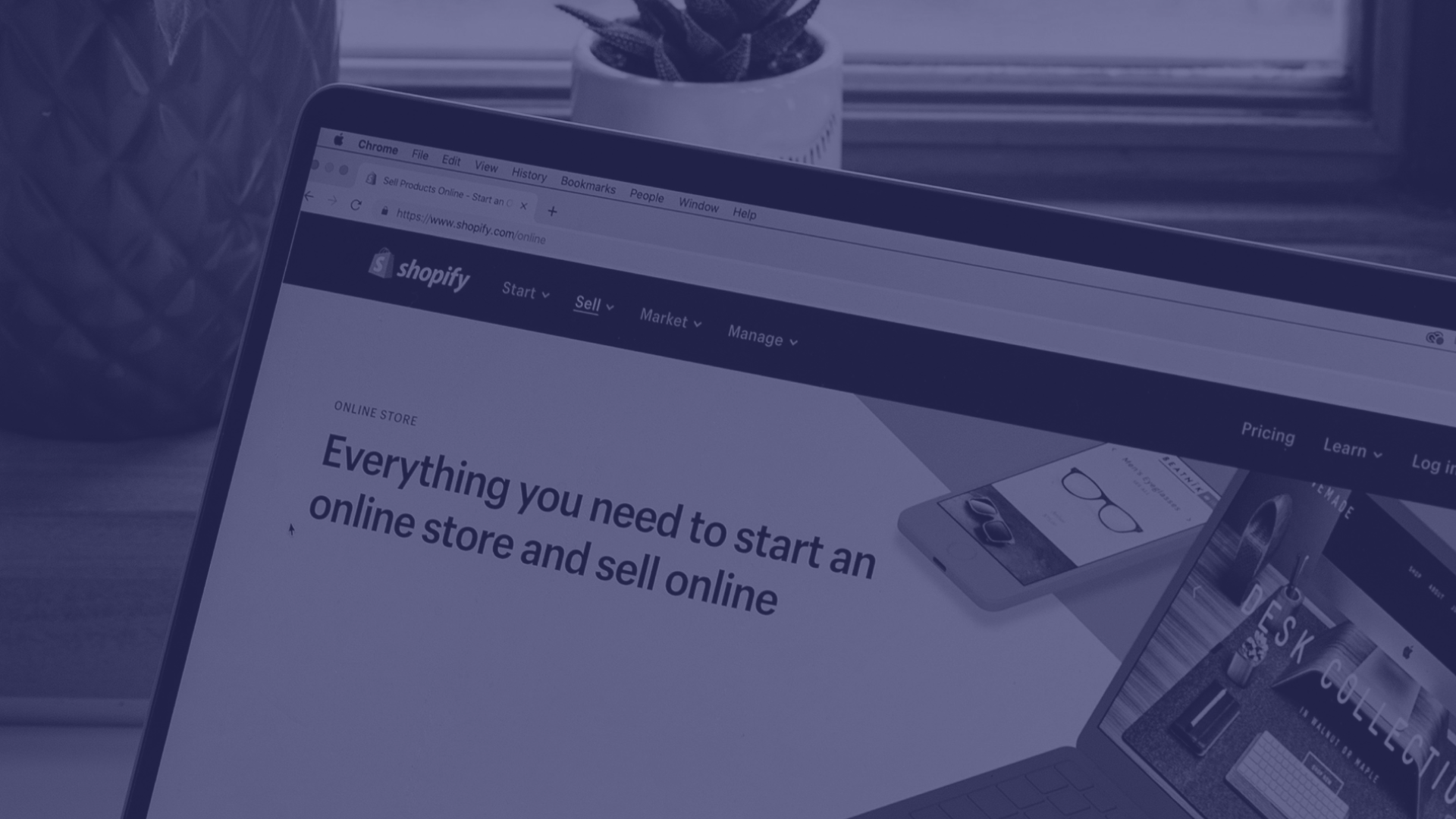
At Opel Solutions, we’ve built and customized Shopify stores for San Diego brands ranging from a first launch to Shopify Plus merchants running complex, custom checkout flows. We’ve seen merchants stuck needing a developer for every minor homepage tweak, and brands that outgrew what a standard theme could support long before anyone addressed it. We know Shopify’s actual technical architecture — Liquid, Online Store 2.0, the Storefront API — well enough to build something that doesn’t fight you six months after launch.

Whether you need a custom theme built the right way or you’ve hit a wall a standard theme genuinely can’t solve, we focus on one thing: a Shopify store built for how you actually need to run your business.

What Actually Makes Shopify Development Work?

1. A Theme Built to Be Edited by You, Not Just Us

A lot of Shopify themes are built in a way that locks basic content changes behind a developer request — meaning updating a homepage banner or reordering a section means waiting on someone else every single time.

We build using Online Store 2.0’s section and block architecture properly, so your team can actually make routine content changes yourselves, while the underlying structure stays clean and genuinely custom rather than a page-builder mess.

2. Finding Actual Customers

A Shopify store built without understanding how your actual customers shop ends up as a generic theme with your logo swapped in — technically live, but not built around what your specific catalog and customers actually need.

Before we touch a theme file, we figure out how your customers actually shop, what your catalog requires structurally, and what’s currently getting in the way of a sale. Every theme and app decision gets built around that real answer.

3. Checkout Customization Within (and Beyond) Shopify's Limits

Standard Shopify plans have real, hard limits on checkout customization — and Shopify Plus opens up genuinely different capabilities through checkout extensibility and Shopify Functions that a lot of merchants don’t realize exist or aren’t sure they actually need.

We know exactly where those limits sit at each plan tier, and build the checkout customization that’s actually possible and worthwhile for your specific business, instead of either assuming you’re stuck with the default or overselling capabilities your plan doesn’t support.

4. Choosing and Integrating Apps Without Creating a Mess

Off-the-shelf apps solve a lot of problems quickly, but stacking apps that weren’t designed to work together creates script conflicts, slows your site down, and eventually creates a tangle nobody wants to touch.

We architect app integrations deliberately, and build custom functionality through Shopify’s Admin and Storefront APIs when an off-the-shelf app genuinely can’t do what your business needs — rather than duct-taping together five apps that half-solve the problem.

5. Headless and Custom Storefronts When You've Outgrown Themes

Some brands genuinely need more creative and technical control than any theme — custom or otherwise — can provide, especially at scale with complex content or performance requirements a standard theme architecture wasn’t built for.

For businesses that have actually outgrown theme-based Shopify, we build headless storefronts using Shopify’s Hydrogen framework, keeping Shopify’s commerce backend while giving you a fully custom frontend built without theme constraints.

Finding Your Perfect People

We start by understanding how your customers actually shop and what your catalog genuinely requires structurally, rather than defaulting to a standard theme setup regardless of your specific business.

That research shapes theme architecture, app selection, and whether checkout customization or headless development is actually worth pursuing for your situation.

Building Something That Won't Need a Rebuild in a Year

Most of the Shopify stores we take over were built quickly on a theme that’s since been stretched well past what it was designed for — page builders stacked on page builders, apps patched in to solve problems the theme should have handled.

We build with your actual growth trajectory in mind, so the foundation holds up rather than needing a full rebuild the moment your catalog or traffic outgrows it.

Reports That Explain the Technical Reality Clearly

You shouldn’t need to be a developer to understand what we built and why. We explain theme architecture, app integration decisions, and any custom development in plain language, so you know exactly what you own and how to maintain it.

What We Actually Do For You?

Strategy and Setup

We start by understanding how your customers actually shop and what your catalog requires structurally, and audit any existing Shopify setup for what's working and what's been stretched past what it was built for.

Then we plan theme architecture, app strategy, and whether checkout customization or headless development is actually worth the investment for your specific business.

Theme Development and Customization

We build custom themes using Online Store 2.0's section and block architecture properly, so your team retains real editing control without needing a developer for routine content changes.

Performance and mobile experience are built in from the start, not addressed as an afterthought once the visual design is finished.

Checkout and App Integration

Where it fits your plan and needs, we build checkout customization through Shopify Plus's checkout extensibility and Shopify Functions, and architect app integrations deliberately to avoid script conflicts and page speed problems.

We choose well-maintained, actively supported apps and avoid redundant ones covering the same functionality.

Custom Functionality and API Development

When an off-the-shelf app genuinely can't solve a real business need, we build custom functionality through Shopify's Admin and Storefront APIs, and assess headless development honestly for brands that have actually outgrown theme-based Shopify.

Tracking and Post-Launch Support

We set up analytics and conversion tracking before launch, and stick around afterward for support and fixes, since theme and app updates can occasionally introduce conflicts that need attention.

That ongoing relationship is what keeps a custom build running smoothly well after the initial launch.

SHOPIFY DEVELOPMENT SERVICES SAN DIEGO

Why Choose Us?

A Team That Actually Writes Liquid and Builds Custom Apps vs. A "Shopify Expert" Who Only Installs Themes and Apps

Real

Development Capability,

Not Just Theme and App Installation With a Markup

We Build Themes You Can Actually Edit Yourself

Proper Online Store 2.0 architecture means your team can make routine content changes without waiting on a developer for every small update.

We Know Exactly Where Shopify's Checkout Limits Sit

No overselling capabilities your plan doesn't support, and no assuming you're stuck with the default when Shopify Plus genuinely opens up more than most merchants realize.

We Build Custom Functionality When an App Just Won't Cut It

When your business has a genuine need off-the-shelf apps can't solve, we build it properly through Shopify's actual APIs instead of stacking apps that half-solve the problem.

FAQs.
How much does a custom Shopify store cost?

Cost depends on what you need—we give detailed quotes after understanding your requirements.

Can you redesign my existing Shopify store?

Absolutely. We can refresh design, improve functionality, and optimize performance without starting over or losing data. We assess what’s working, identify improvements, then implement updates that boost experience and sales.

Will I be able to update my store myself?

Yes. Shopify’s admin is user-friendly, and we train you on managing products, orders, content, and basic settings. For technical stuff like theme customization, you’ll want developer help—but daily operations are totally manageable without tech skills.

How long does it take to build a Shopify store?

Basic stores: 2-3 weeks. Standard custom stores: 4-6 weeks. Complex enterprise stores with Plus: 8-12 weeks. Timeline depends on scope, content readiness, and feedback speed. We give specific timelines during planning.

Do Shopify stores work well on mobile?

Yes. Shopify themes automatically adapt to phones and tablets. We go further by testing mobile experience extensively and optimizing specifically for phone shoppers since they’re the majority of traffic. Fast mobile loading and easy checkout are priorities in every store.